BIOACTIVE CALCIUM PHOSPHATE
Hydroxyapatite for Advanced Applications
The natural mineral in bone and teeth, engineered as a high-purity material platform.
Biocompatible, bioactive and ion-exchangeable, with customizable particle size, crystallinity and substitution for manufacturing and research.
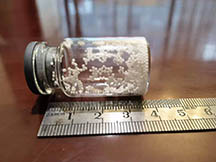
Hydroxyapatite
GENERAL INFORMATION
Basic Information
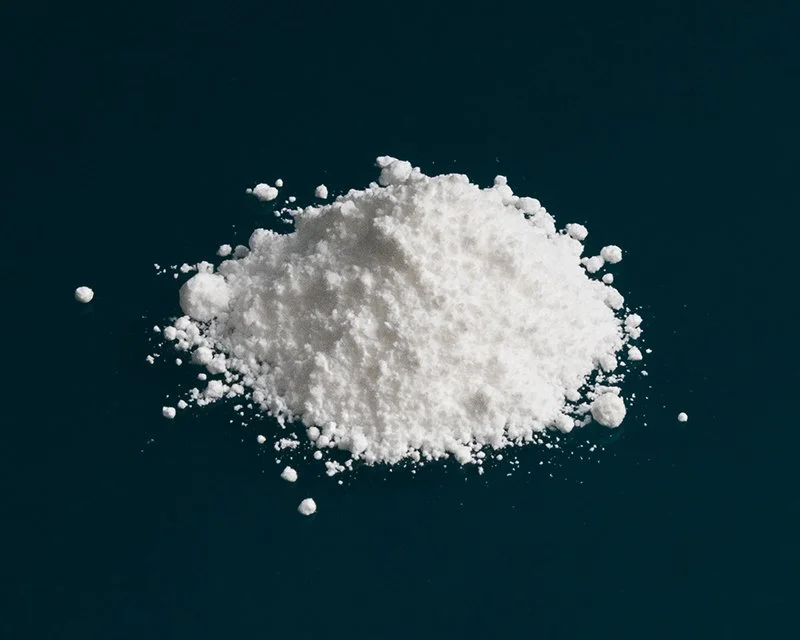
Hydroxyapatite, also known as hydroxylapatite, is the naturally occurring mineral form of calcium apatite, Ca₅(PO₄)₃(OH). Its formula is often written as Ca₁₀(PO₄)₆(OH)₂ to emphasize that it consists of two formula units.
Color: White
CAS No.: 1306-06-5
English names: Hydroxyapatite; hydroxylapatite
Abbreviation: HAP
Physicochemical properties: Melting point: 1650°C; specific gravity: 3.16 g/cm³; solubility: 0.4 ppm; Ca/P ratio: 1.67
Crystal structure: Hexagonal system (space group No. 176); monoclinic system (space group No. 14)
Product forms: Powder, porous granules, and blocks (non-standard/custom shapes)
Hazard information: Avoid contact with skin and eyes. Do not inhale dust.
Attributes
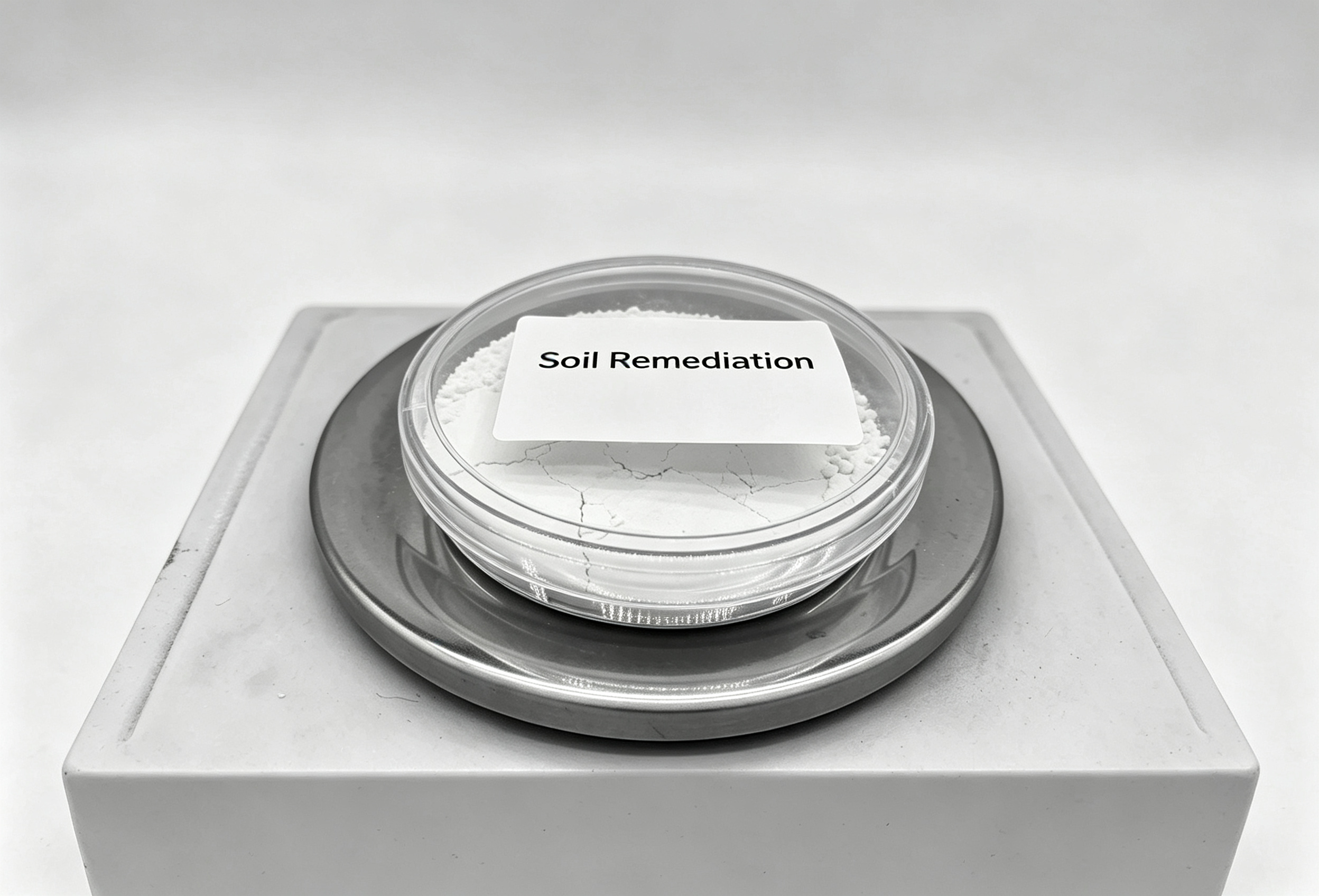
Recommended by the Institute of Soil Science: either 60 nm or 80 µm is acceptable.
GENERAL INFORMATION
Basic Information
Hydroxyapatite, also known as hydroxylapatite, is the naturally occurring mineral form of calcium apatite, Ca₅(PO₄)₃(OH). Its formula is often written as Ca₁₀(PO₄)₆(OH)₂ to emphasize its two-component composition.
Color: White
CAS No.: 1306-06-5
English names: Hydroxyapatite; hydroxylapatite
Abbreviation: HAP
Physicochemical properties: Melting point: 1650 °C; density: 3.16 g/cm³; solubility: 0.4 ppm; Ca/P ratio: 1.67
Crystal structure: Hexagonal system (space group 176) and monoclinic system (space group 14)
Available forms: Powder, porous granules, and blocks (custom or nonstandard shapes)
Safety information: Avoid contact with skin and eyes. Do not inhale dust.
Attributes
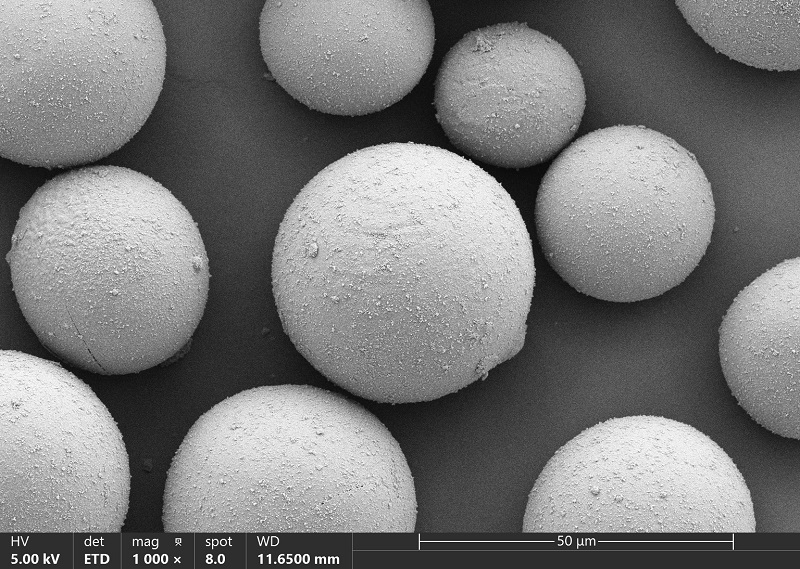
Porous grade: Tapped density: 1.3 g/cm³; particle size: 25–45 μm
Microporous grade: Tapped density: 1.5 g/cm³; particle size: 25–45 μm
Smooth grade: Tapped density: 1.9 g/cm³; particle size: 25–45 μm
GENERAL INFORMATION
Basic Information
Hydroxyapatite, also known as hydroxylapatite, is the naturally occurring mineral form of calcium apatite, Ca₅(PO₄)₃(OH). It is often written as Ca₁₀(PO₄)₆(OH)₂ to emphasize that it consists of two components.
Color: White
CAS No.: 1306-06-5
English names: Hydroxyapatite; hydroxylapatite
Abbreviation: HAP
Physicochemical properties: Melting point: 1,650 °C; density: 3.16 g/cm³; solubility: 0.4 ppm; Ca/P ratio: 1.67
Crystal structure: Hexagonal system (space group No. 176) and monoclinic system (space group No. 14)
Product forms: Powder, porous granules, and blocks (custom or nonstandard shapes)
Hazard description: Avoid contact with skin and eyes. Do not inhale dust.13:46
Attributes
Recommended standard sizes:1–3 μm/200 nm/60 nm

GENERAL INFORMATION
Basic Information
Hydroxyapatite, also known as hydroxylapatite, is the naturally occurring mineral form of calcium apatite, Ca₅(PO₄)₃(OH). It is often written as Ca₁₀(PO₄)₆(OH)₂ to emphasize its two-component composition.
Color: White
CAS No.: 1306-06-5
English names: Hydroxyapatite; hydroxylapatite
Abbreviation: HAP
Physicochemical properties: Melting point: 1,650 °C; density: 3.16 g/cm³; solubility: 0.4 ppm; Ca/P ratio: 1.67
Crystal structure: Hexagonal system (space group No. 176) and monoclinic system (space group No. 14)
Product forms: Powder, porous granules, and blocks in custom or nonstandard shapes
Safety precautions: Avoid contact with skin and eyes. Do not breathe dust.
Attributes
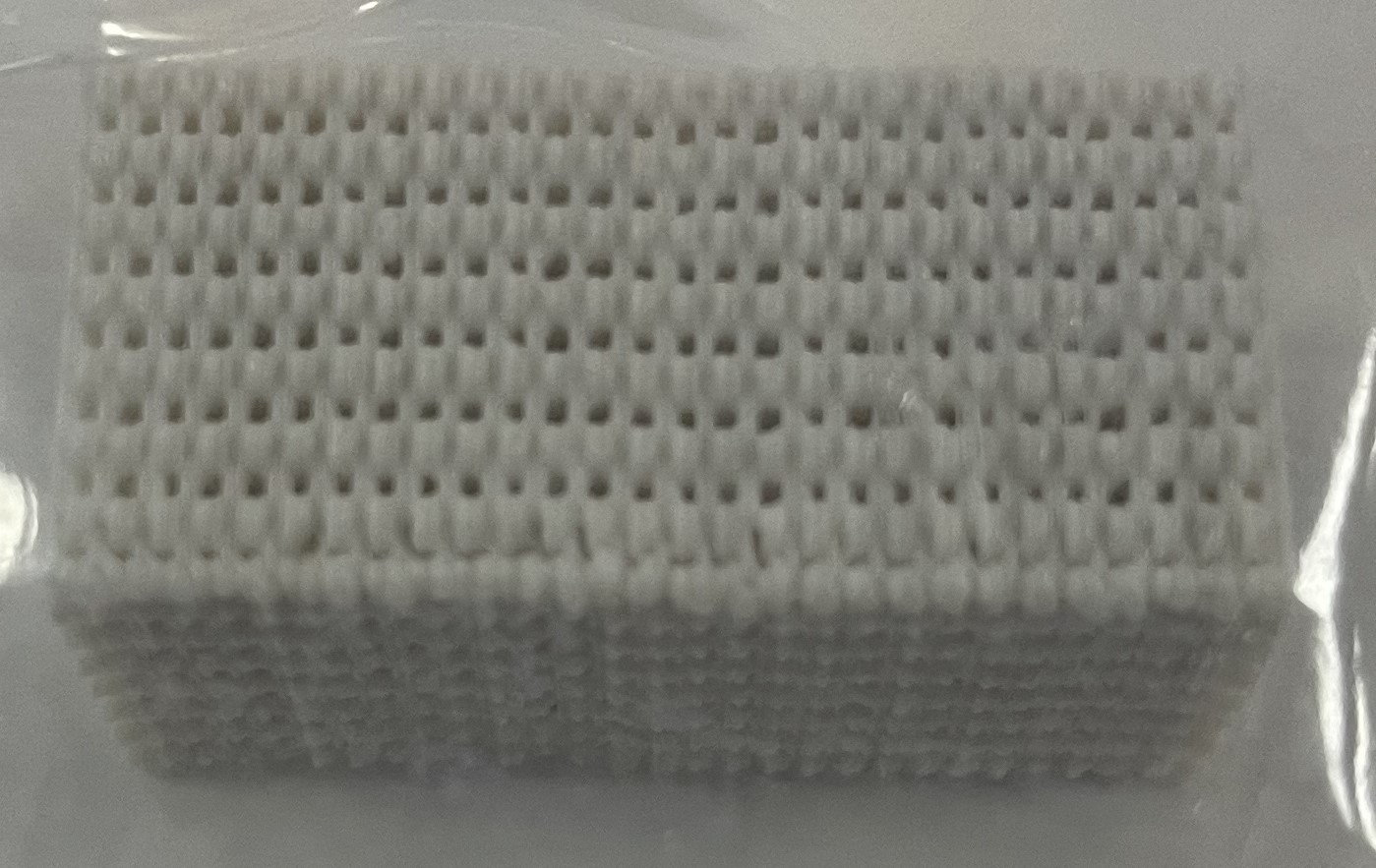
Pressure-driven extrusion printing: 15 μm or smaller is sufficient
Photopolymerization printing: 20 nm recommended
Twin-screw extrusionPowder bed printing: 50–100 μm recommended
Bone cement: nanoscale material recommended
GENERAL INFORMATION
Basic Information
Hydroxyapatite, also known as hydroxylapatite, is the naturally occurring mineral form of calcium apatite, Ca₅(PO₄)₃(OH). Its formula is often written as Ca₁₀(PO₄)₆(OH)₂ to emphasize that it consists of two formula units.
Color: White
CAS No.: 1306-06-5
English names: Hydroxyapatite; hydroxylapatite
Abbreviation: HAP
Physicochemical properties: Melting point: 1650°C; specific gravity: 3.16 g/cm³; solubility: 0.4 ppm; Ca/P ratio: 1.67
Crystal structure: Hexagonal system (space group No. 176); monoclinic system (space group No. 14)
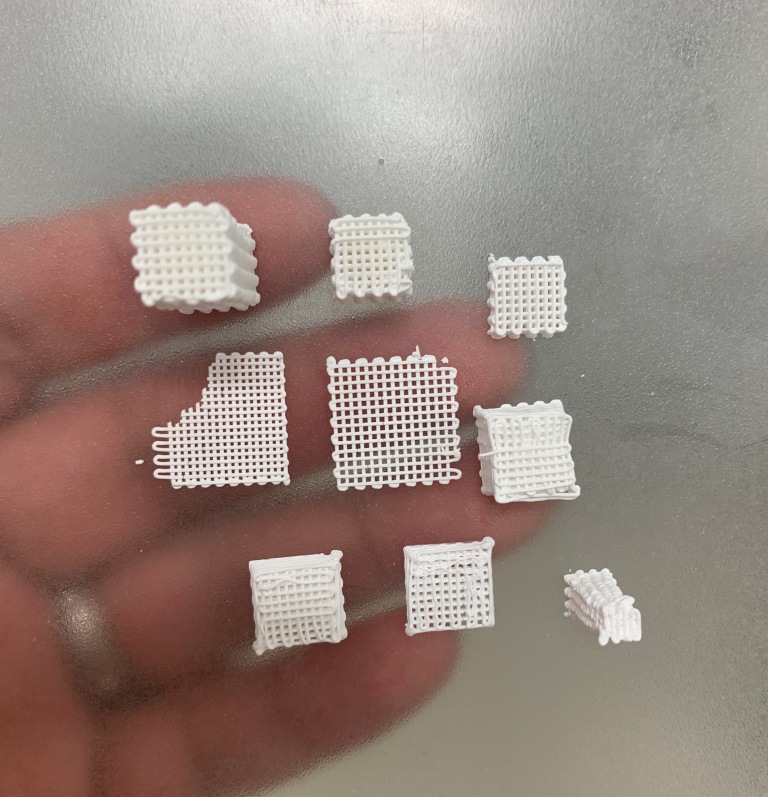
Product forms: Powder, porous granules, and blocks (non-standard/custom shapes)
Hazard information: Avoid contact with skin and eyes. Do not inhale dust.
Attributes
Recommended by the Institute of Soil Science: either 60 nm or 80 µm is acceptable.
GENERAL INFORMATION
Basic Information
Hydroxyapatite, also known as hydroxylapatite, is the naturally occurring mineral form of calcium apatite, Ca₅(PO₄)₃(OH). Its formula is often written as Ca₁₀(PO₄)₆(OH)₂ to emphasize that it consists of two formula units.
Color: White
CAS No.: 1306-06-5
English names: Hydroxyapatite; hydroxylapatite
Abbreviation: HAP
Physicochemical properties: Melting point: 1650°C; specific gravity: 3.16 g/cm³; solubility: 0.4 ppm; Ca/P ratio: 1.67
Crystal structure: Hexagonal system (space group No. 176); monoclinic system (space group No. 14)
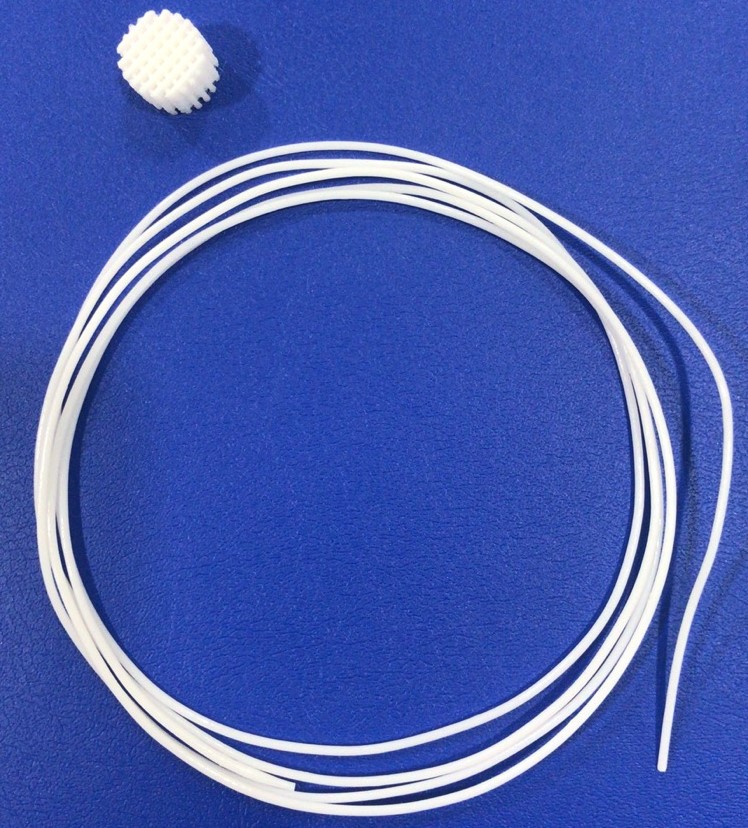
Product forms: Powder, porous granules, and blocks (non-standard/custom shapes)
Hazard information: Avoid contact with skin and eyes. Do not inhale dust.
Attributes
Recommended by the Institute of Soil Science: either 60 nm or 80 µm is acceptable.
GENERAL INFORMATION
Basic Information
Hydroxyapatite, also known as hydroxylapatite, is the naturally occurring mineral form of calcium apatite, Ca₅(PO₄)₃(OH). Its formula is often written as Ca₁₀(PO₄)₆(OH)₂ to emphasize that it consists of two formula units.
Color: White
CAS No.: 1306-06-5
English names: Hydroxyapatite; hydroxylapatite
Abbreviation: HAP
Physicochemical properties: Melting point: 1650°C; specific gravity: 3.16 g/cm³; solubility: 0.4 ppm; Ca/P ratio: 1.67
Crystal structure: Hexagonal system (space group No. 176); monoclinic system (space group No. 14)
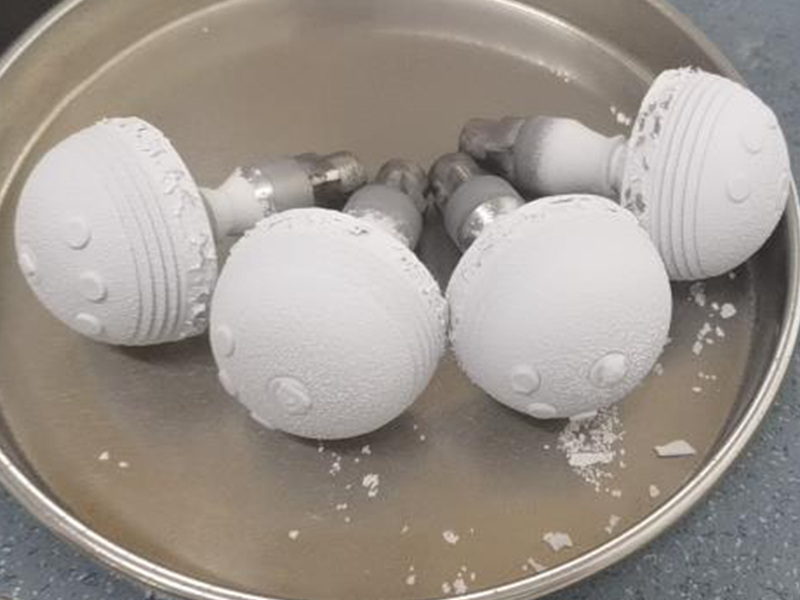
Product forms: Powder, porous granules, and blocks (non-standard/custom shapes)
Hazard information: Avoid contact with skin and eyes. Do not inhale dust.
Attributes
Recommended by the Institute of Soil Science: either 60 nm or 80 µm is acceptable.
GENERAL INFORMATION
Basic Information
Hydroxyapatite, also known as hydroxylapatite, is the naturally occurring mineral form of calcium apatite, Ca₅(PO₄)₃(OH). Its formula is often written as Ca₁₀(PO₄)₆(OH)₂ to emphasize that it consists of two formula units.
Color: White
CAS No.: 1306-06-5
English names: Hydroxyapatite; hydroxylapatite
Abbreviation: HAP
Physicochemical properties: Melting point: 1650°C; specific gravity: 3.16 g/cm³; solubility: 0.4 ppm; Ca/P ratio: 1.67
Crystal structure: Hexagonal system (space group No. 176); monoclinic system (space group No. 14)
Product forms: Powder, porous granules, and blocks (non-standard/custom shapes)
Hazard information: Avoid contact with skin and eyes. Do not inhale dust.
Attributes
Recommended by the Institute of Soil Science: either 60 nm or 80 µm is acceptable.